In preparation for a short video production to be delivered at the fall conference celebrating 50 years of Interpretation Canada, I was charged with reflecting on values and practices that have happened around the interpretation profession over the last five decades. I described how my interpretive approaches had been modified due to different phases of my career that allowed me to learn from different disciplines. That stroll down memory lane reminded me of seven smart practices that I continue to lean on and polish to this day.

a web representation is similar to the neural pattern of a mosaic mind set meld image courtesy Bill Reynolds
Having boiled these observations down into several smart practice epiphanies it seemed appropriate to share them in our blog. Bottom line: I started my career as an interpretive park naturalist in Banff National Park and 50 years later I had been exposed to various mindsets that impacted my skill base and view of the profession: interpretation is integral to the visitor experience business and must expand its influence.
The profession needs to pull together 5 critical areas: communicating, planning, designing, marketing, and managing. These are essential to execute for future professional success. A design and strategy role that aims at assisting heritage sites in successfully engaging visitors will be imperative.
Depending on where you are in your career, I hope you will find my converging pathways and evolving overall mindset reassuring, upsetting, insightful, and /or even puzzling. I get ahead of myself.
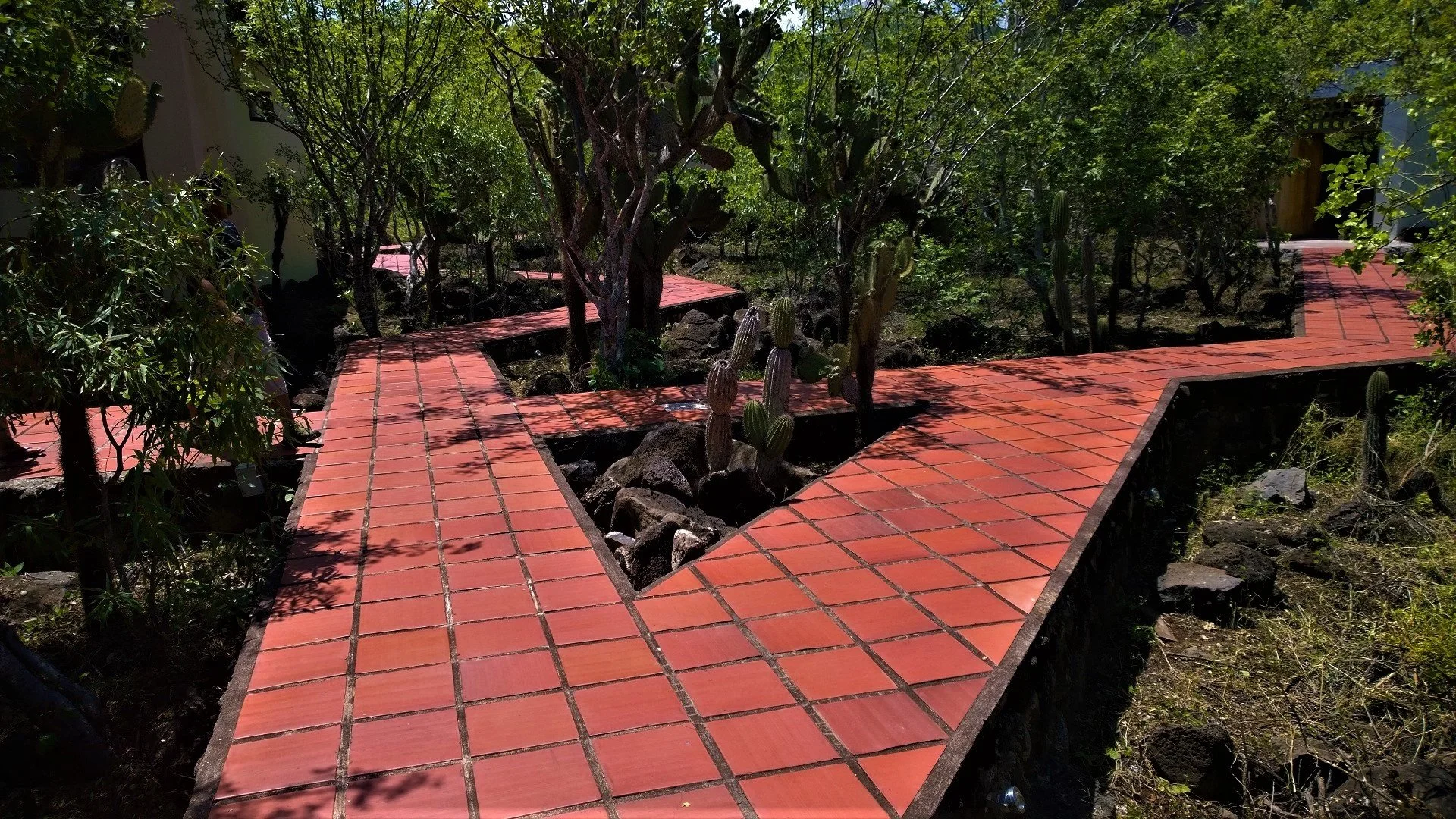
converging neural pathways provide options and crossovers Image Courtesy Bill Reynolds
What did I critically explore and how did I determine ways to adapt and improve along the way? Here are the first four epiphanies.
Epiphany #1 Interpretation planning is critical BUT must honour the full humanity of our visitors
When I worked for Parks Canada in the 70’s, interpretive planning was in its infancy. It addressed the what, to whom, where, and how we were to communicate our park story and its protection values. I want to focus on just the “resource” analysis and park storyline section that was used to explain key geological, and ecological processes along with archeological discoveries that were important to understanding why the park looked the way it did. The intent was for this background research to produce a storyline to guide all communication delivery - whether that was personal script preparation approach for evening programmes or non-personal approaches as in trail signage and exhibits.
This is foundational work, however the emphasis was primarily on conceptual learning: what to TALK TO the park visitors about, what to present TO them - it was a transfer of information -one analytical right brain to another right brain talking and listening. Along the way some behavioural and emotional objectives got incorporated in interpretive plans yet implementation was still mainly focused on the conceptual objectives. 50 years on and interpretation objective setting paired with its monitoring/evaluation doesn’t seem that prevalent and it desperately needs a rejuvenation.
Interpretive planning should identify what is distinctive about your site -your special place -and why it deserves protection. To communicate the messages identified by setting interpretive objectives one must apply what Tilden said- Interpretation should address the whole person-physically, mentally and emotionally/spiritually.
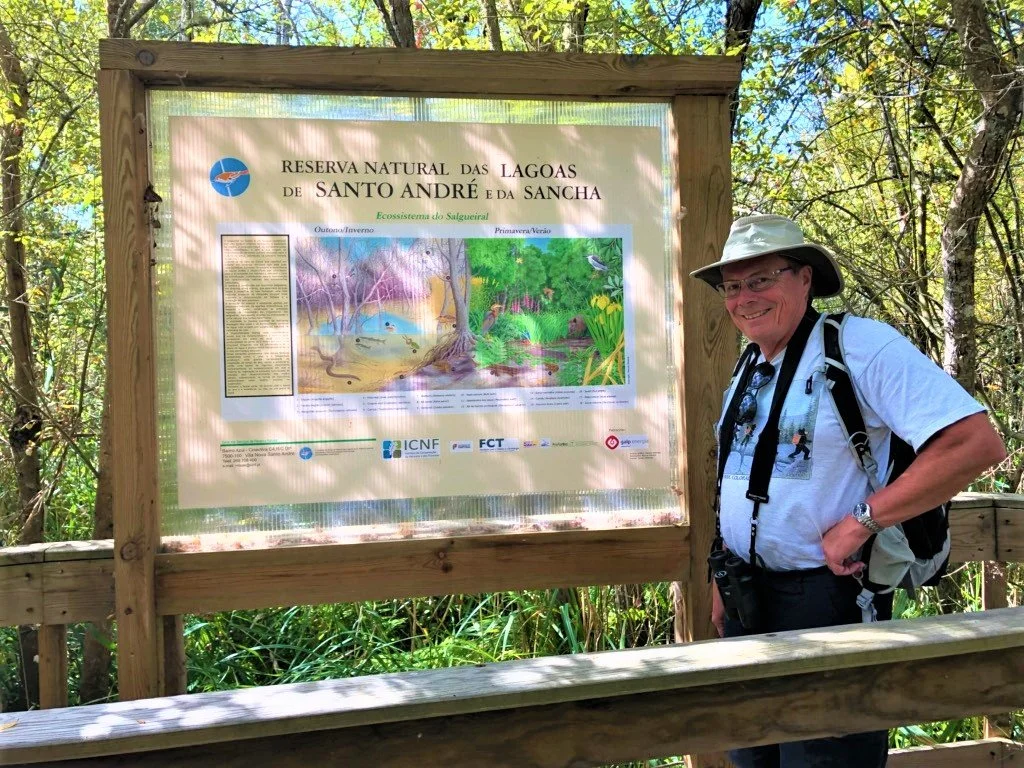
Address full brain/body/soul humanity (5H’s) when setting objectives Image courtesy Bill Reynolds (in person)
In the late 90’s, I read a book titled Interpretive Design and the Dance of Experience by Steve Van Matre. He nailed it when he said, the emphasis had to be on treating the visitor as someone who is an amalgam of head, heart, hand, and hunger motives. The role of interpretation should be to facilitate a dance of discovery for visitors that aimed to achieve visitor outcomes that were meaningful (head), memorable (heart), tangible (hands), and flavourful (hunger). Taking a left and right brain mindset would create relevant visitor outcomes reflecting a holistic individual. This is what needs to guide your interpretation messages.
Since then, EID has added a 5th H outcome standing for Habit, something that is repeatable. Endeavour to use a 5H outcome matrix when describing what you want your site to accomplish, by addressing the full humanity of your visitor. If you want to explore further read blogpost Putting Interpretive Design Ideas Into Practice — Phase I
Epiphany #2 “Interpretation needs to start where our learners are not where we are.”
Core communication training, when I started as a park naturalist, relied on presentation using a linear sender-message-receiver model (with sender being the interpreter and receiver being the audience). I was so excited to share my university knowledge and curiosity. Visitors would be so excited to receive it! Wouldn’t they? Wasn’t everyone a budding naturalist? Were they not empty vessels waiting to be filled?
By completing a MSC in Interpretive Services Administration, it introduced me to applying behavioural science mindsets around the ways humans learn. This challenged the above model. Interpretation effectiveness for me became more listening and less talking BY ME, and more doing and less listening BY THE VISITOR. Visitors were watching when I pointed out things to see but I was still the one choosing the subject matter -they were not. I still encounter the lack of visitor doing and “sage on the stage” methodology too frequently.
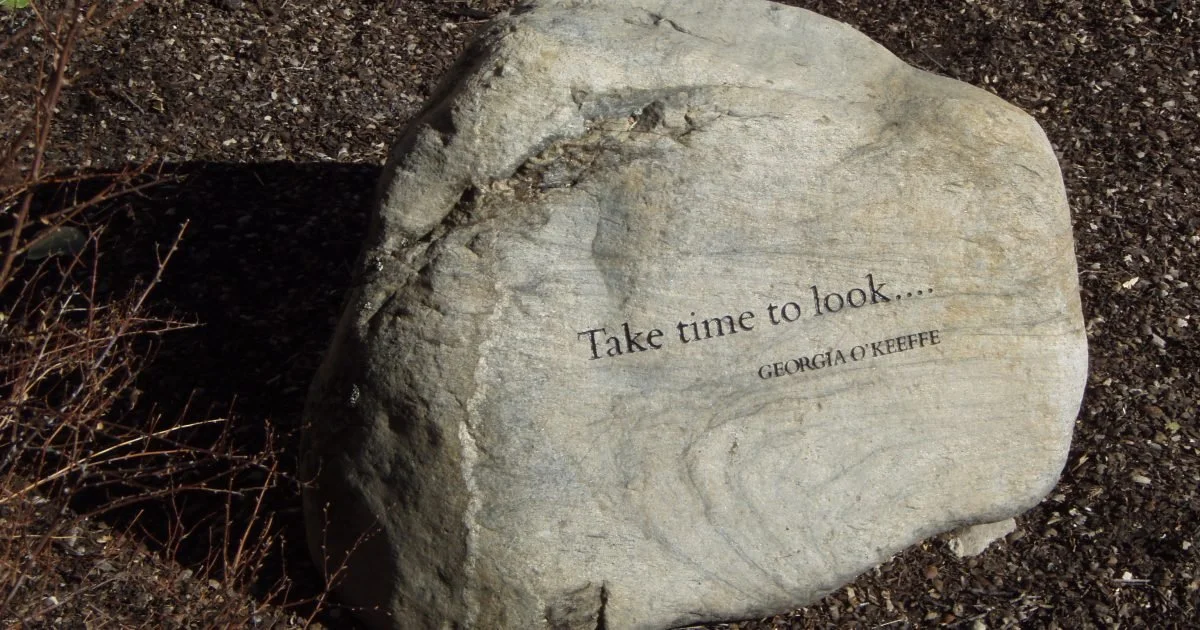
image courtesy Bill Reynolds
This propelled me into experimenting with my traditional communication approach. Instead of park “walk and talk” going to a specific point, I planned a visitor -centred activity along a trail (that had no end destination). This way participants were actively involved in choosing their location (within boundaries) and my role became much more reinforcing THEIR discoveries and providing tips on how to uncover more.
Visitors of all ages were engaged in perspective changing and forming a relationship with a small part of the park, choosing the how and what to observe within a certain learning structure. They all got a chance to share their immersive engagement with a family member and/or someone new. I could feel that I was assisting the visitors to connect with the sense of place like I had never been able to before. This concept is explored in blogpost Role Play
The positive feedback I received led naturally to epiphany #3.
Epiphany #3 Interpretation is more than pointing out, instructing and showing forms of communication, it must facilitate practicing in a first -hand way.
During my early years, my interpretive interactions were changing to focus more on facilitating visitor observational skill enhancement. In response to visitors asking me – “how do you notice all the things you do?”- I started to incorporate earth education techniques borrowed from the Institute for Earth Education training programmes. Re-learning for adults on how to see (up, down, around, under, above, below) was very rewarding as was general sensory awareness exposure. Giving them a DIY skill to enrich their own walk was a big plus as a beneficial takeaway. Creating the right mix of conceptual understandings and sensory awareness was a continuous challenge.
Very related to this, is a way to accomplish Tilden’s concept of creating the visitor’s first- hand experience. This meant for me the incorporation of a guided discovery mindset including visitor participation, immersion and sensory engagement. Passive listeners should always be given the chance to be active doers. Even passive readers of labels can be pulled into active participation by incorporating a guided discovery form of interpretive writing. Hands-on participation has become a cliché yet it is often not applied for all visitors and it is not a substitute for the subtle use of guided discovery techniques. More on this you can read blogpost Engagement: It’s all about the Approach.
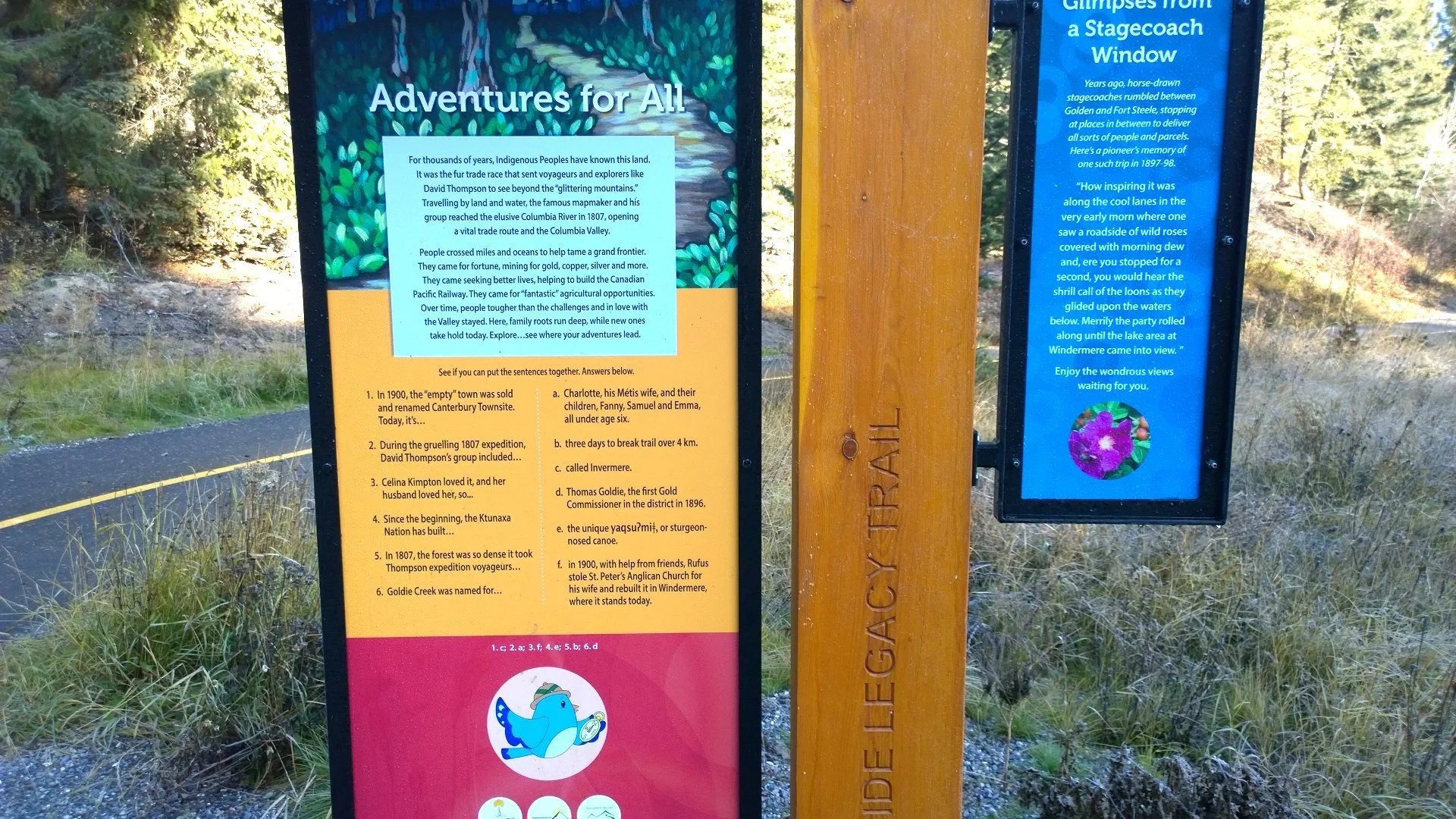
Look at orange section for a “mild” interactive mind engagement Image courtesy Bill Reynolds
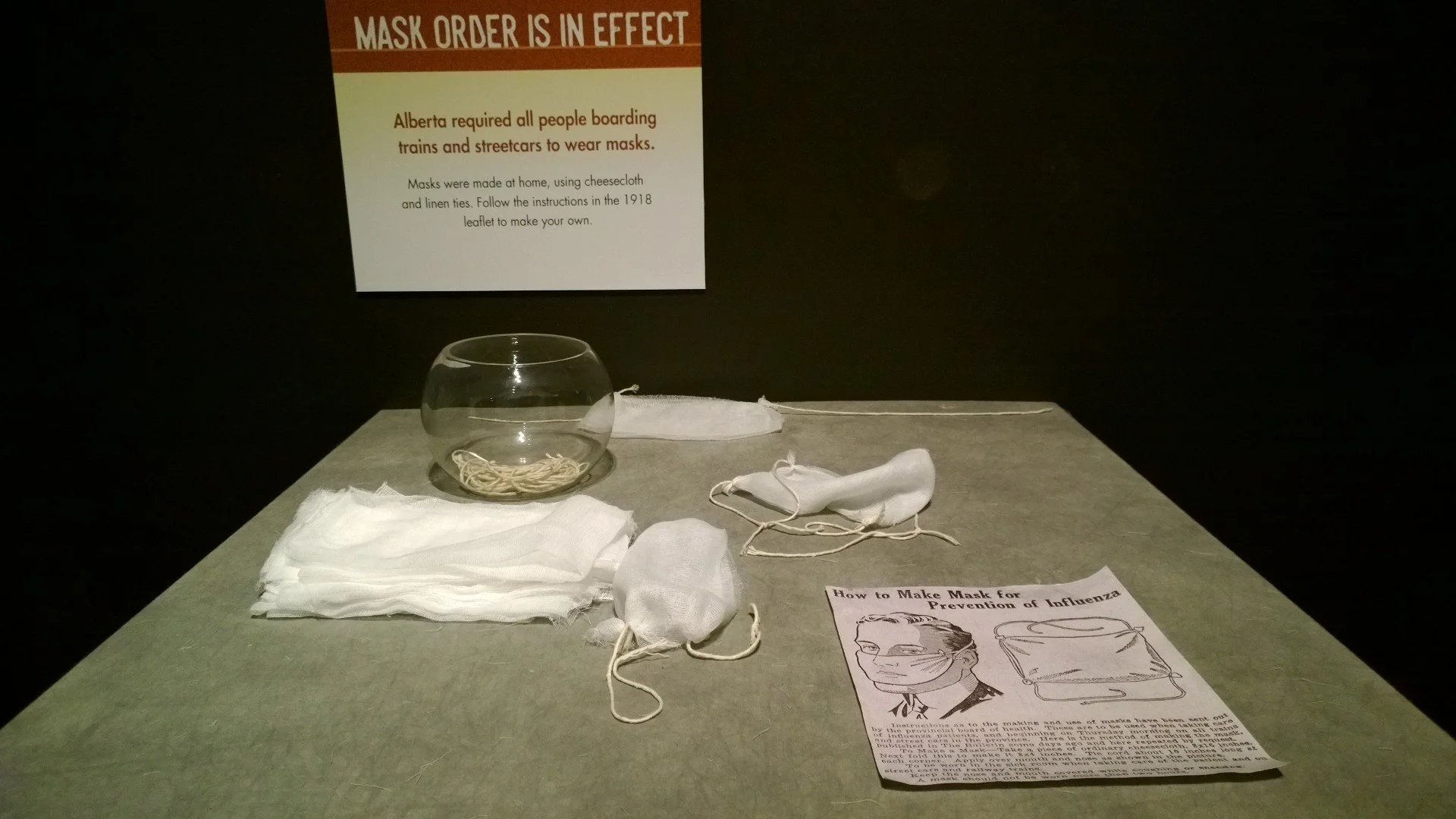
a self-guided first- hand “doing” station as part of larger exhibit Image courtesy Bill Reynolds
Additionally, by going beyond training myself at being better at story telling meant perhaps facilitating the visitor at his/her/their story making (through DIY observational skill practice on their own walk, for example).
Epiphany # 4 Interpretation is going to where your audience is and inviting their inter-actions.
My transition to managing a visitor services programme in an urban park and recreation setting required a mindset change. In my previous national park setting, interpretation offerings had a level of awareness and expectation.
The concept of interpretation now was novel and needed to be introduced. We no longer had an audience waiting in the campground theatre or at the trailhead. Our service was to enrich the visitors’ leisure time pursuits and help them to learn “environmental awareness and understandings”. There was no demand – we had to stimulate it. We were in the midst of a classic marketing dilemma. We quickly realized that we were marketing representatives of the park.
We had to be sales minded! Concepts of mutual exchange became prominent as our visitors were really potential customers who might purchase our service if they thought it would be worth their time. We had to think in terms of visitor benefits and we had to understand our visitors’ needs and wants – what contributes to a quality experience. This is critical for any kind of volunteer-based time engagement.
A marketing mindset meant thinking in terms of market segmentation, market profiles and stimulating word-of mouth (WOM) promotion by creating satisfied customers who would tell others. Satisfying and retaining customers was as important as attracting new ones. Check out blogpost Considering the Visitors' Needs
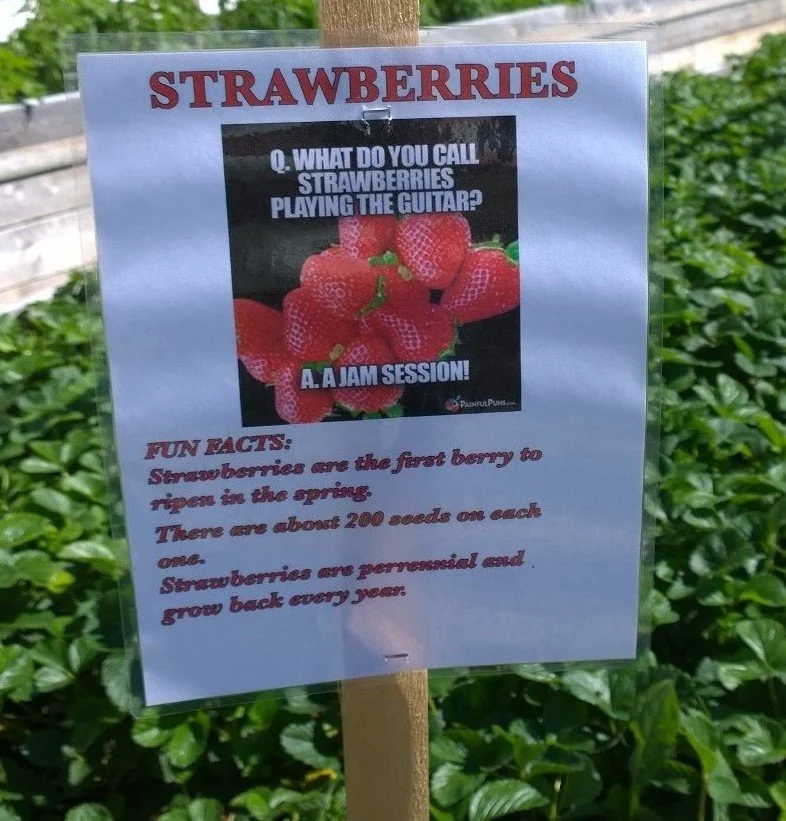
Packaging facts as quick funfacts with a joke lead-in are great ice-breakers Image courtesy Bill Reynolds
Training in marketing reinforced the essentialness of setting objectives and understanding the who you are trying to reach (see Epiphany #1). We realized our approach necessitated a stronger emphasis on roving and forms of outreach-of going to where our visitors were. In some settings outreach and a WOM promotional bent exists, yet a more wholehearted interpretive managerial emphasis needs to embrace these strategies.
We had to polish our art of the invitation by using a pinch of entertainment and employing various strategies like theatrical improvisation skills and the use of props as concrete focal points. We were conscious of the importance of social interactions, however our programme end outcome focus was stimulating inter-actions with the park. For more on this check blogpost The Art of the Invitation
Edutainment had become the word of the day. The goal was always striving to get attention and create a level of appeal while balanced with being outcome based and mission driven. One must always be mindful of the entertainment pendulum swinging too far and smothering the education component.
Interpretive site objectives do not change dramatically (they may get added to - especially in light of anthropogenic change influences). However, the HOW communication methodology WILL change over time, especially to maintain market relevance. The same caution: as long as the medium does not take over the message -whether digital, A-R, VR, live action role playing (LARP), gamification, etc.
Future blogposts will continue this 50- year recollection and will share another set of Epiphanies based more on my later years. I was being influenced by the experience economy philosophy being reflected in interpretive facility planning and design, in hospitality business, in tourism partnerships and in strategic rural development. This gave me a bigger picture of how important the future of the visitor experience is and how the interpretive profession has to expand its role and grasp its potential within it. Long live the mosaic mindset.